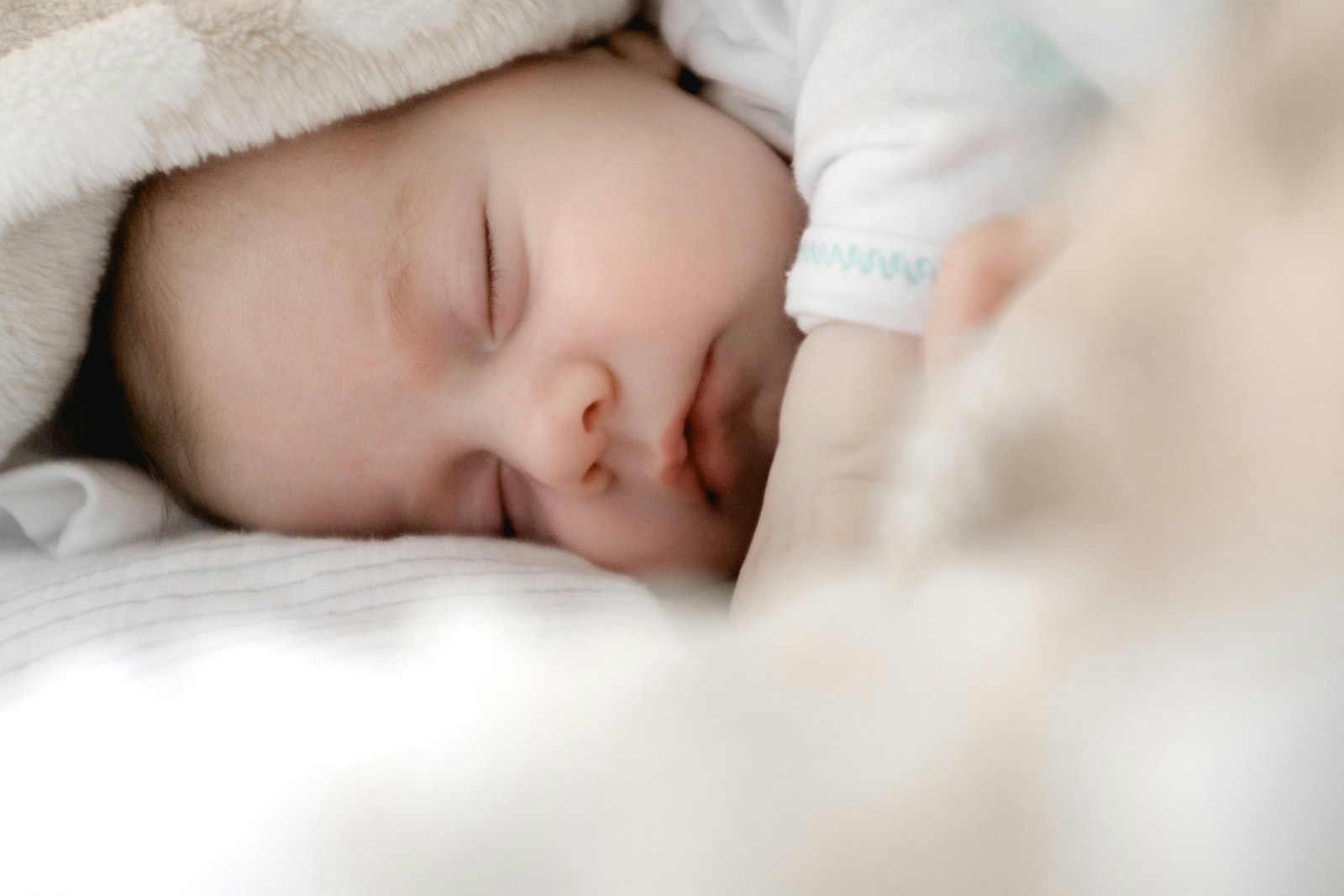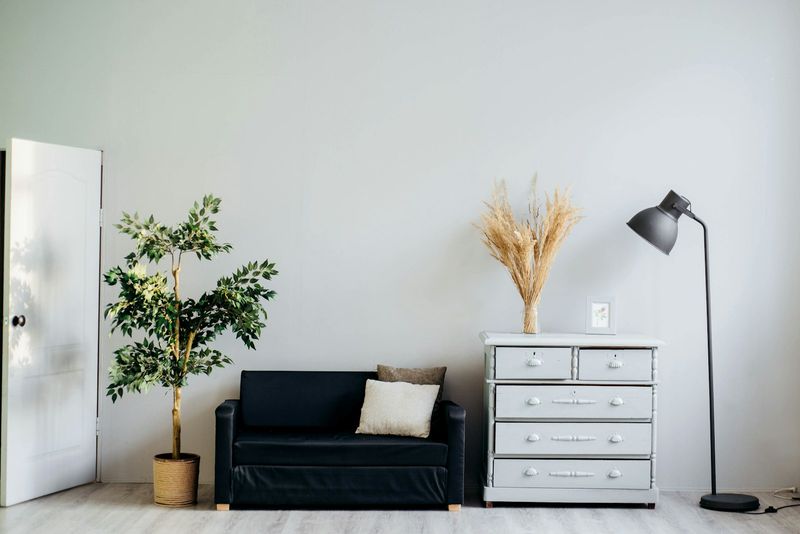
When you're navigating the overwhelming early days of motherhood, your environment might be the last thing on your mind. Between feedings, diaper changes, and trying to get some sleep, who has time to think about cleaning products or indoor air quality? But here's what research increasingly shows: The space where you're healing and raising your baby profoundly impacts both your mental health and your child's physical development.
At Wings of Care, we believe that maternal mental health and environmental wellness aren't separate issues—they're deeply interconnected. A mother struggling with postpartum depression in a cluttered, chaotic, or unsafe home faces compounded challenges. A newborn in an environment with poor air quality or toxic chemicals is at higher risk for respiratory issues and developmental concerns. This is why our mission bridges both: supporting mothers' mental health while helping create clean, safe spaces for families to thrive.
The Mental Health-Environment Connection
You might have noticed it yourself: when your home is clean and organized, you feel calmer. When clutter piles up and things feel chaotic, your stress increases. This isn't just anecdotal—it's backed by research.
A landmark study published in Personality and Social Psychology Bulletin (2023) found that women who described their homes as "cluttered" or "full of unfinished projects" had higher levels of the stress hormone, cortisol, throughout the day. They also reported more depressed mood and fatigue compared to women who described their homes as "restful" and "restorative."
For postpartum mothers, this connection is even more significant. According to research from the Journal of Environmental Psychology (2024):
- Mothers recovering in clean, organized environments reported 35% lower stress levels
- Natural light and good ventilation were associated with better sleep quality (even with the same amount of sleep)
- Access to outdoor green spaces reduced postpartum depression risk by 20%
- Living in homes with visible clutter or disrepair increased anxiety symptoms
But here's the cruel irony: New mothers are least able to maintain their homes when they need that supportive environment most. You're exhausted, overwhelmed, and your time is consumed by caring for your baby. The dishes pile up, laundry multiplies, and suddenly your home feels like another source of stress instead of a refuge.
This is why Wings of Care provides home cleaning services when resources allow. It's not a luxury—it's recognizing that a clean, safe environment is foundational to maternal mental health recovery.
Creating a Safe Environment for Your Baby
Beyond mental health, the physical environment directly impacts your newborn's developing body and brain. Babies are uniquely vulnerable to environmental toxins because:
- Their organ systems are still developing
- They breathe more rapidly than adults (relatively more air per body weight)
- They spend more time close to the floor where dust and chemicals settle
- They put everything in their mouths, increasing exposure routes
According to the Environmental Protection Agency (EPA, 2024) and the American Academy of Pediatrics (AAP, 2023), key environmental concerns for newborns include:
Indoor Air Quality
Indoor air can be 2-5 times more polluted than outdoor air (EPA, 2024). Common sources of indoor air pollution include:
- Volatile Organic Compounds (VOCs): Found in paints, furniture, carpets, cleaning products, air fresheners
- Mold and moisture: Can trigger asthma and respiratory infections
- Secondhand smoke: Increases SIDS risk and respiratory illness
- Carbon monoxide: From faulty heating systems or gas appliances
What you can do:
- Open windows regularly for ventilation when weather permits
- Avoid air fresheners and scented candles—they often contain harmful chemicals
- Use a HEPA filter air purifier, especially in baby's room
- Keep humidity between 30-50% to prevent mold growth
- Ensure proper ventilation when cooking
- Never smoke indoors or in cars
Household Cleaning Products
Many conventional cleaning products contain chemicals linked to respiratory problems, hormone disruption, and developmental concerns (Environmental Working Group, 2024). This is especially concerning when you're crawling on floors that have been cleaned with harsh chemicals, or when your baby is breathing in residues from surfaces.
Safer alternatives:
- Vinegar and water: Excellent for most surface cleaning
- Baking soda: Great for scrubbing and deodorizing
- Castile soap: Plant-based, gentle, effective
- Hydrogen peroxide: Natural disinfectant for bathrooms and kitchens
- Look for "Green Seal" or "EPA Safer Choice" certified products
- Avoid products with "fragrance" listed—this can hide hundreds of chemicals
Wings of Care's Approach to Home Cleaning
When we provide home cleaning services to postpartum mothers, we use only non-toxic, baby-safe products. Our approach focuses on:
- • Deep cleaning with plant-based, fragrance-free products
- • Reducing dust and allergens that can trigger respiratory issues
- • Sanitizing high-touch surfaces with safe disinfectants
- • Creating a calm, organized space that supports mental health recovery
- • Teaching families about maintaining a healthy home environment
Lead and Heavy Metals
If your home was built before 1978, it may contain lead paint. Lead exposure can cause serious developmental problems in babies and young children (CDC, 2024).
Reducing risk:
- Have your home tested for lead, especially if you're renovating
- Wet-dust surfaces regularly (dry dusting spreads lead particles)
- Wash hands and toys frequently
- Use cold water for drinking and formula (hot water can leach more lead from pipes)
- Consider having your water tested, especially if you have older plumbing
The Power of Natural Light and Nature
Research from the Journal of Affective Disorders (2024) shows that exposure to natural light is one of the most powerful interventions for postpartum depression. Natural light:
- Regulates circadian rhythms, improving sleep quality
- Boosts serotonin production (the "feel-good" neurotransmitter)
- Increases vitamin D levels, which supports immune function and mood
- Reduces stress hormone levels
Even views of nature from your window can reduce stress. One study found that hospital patients with windows overlooking trees recovered faster and needed less pain medication than those facing brick walls (Environmental Health Perspectives, 2023).
Bringing nature into your postpartum recovery:
- Open curtains during the day to maximize natural light
- Spend time near windows, especially in the morning
- Add houseplants—they improve air quality and create a calming atmosphere (choose non-toxic varieties like spider plants or pothos)
- If possible, spend 10-20 minutes outside daily, even just sitting on your porch
- Create a "recovery nest" near a window where you can nurse and rest
When Your Home Feels Overwhelming
Let's be real: Reading about all the ways your environment impacts your health might feel overwhelming, especially if you're already struggling to keep up with basic survival. Please hear this: You don't have to do everything perfectly. Progress, not perfection.
If your home feels chaotic and you don't have the energy to address it, that doesn't make you a bad mother. It makes you a tired mother who needs support.
Start small:
- Choose one room to focus on—maybe the room where you spend most time with your baby
- Set a timer for 10 minutes and do what you can
- Ask for specific help: "Can you come over and help me organize the nursery?"
- Lower your standards everywhere else—a perfectly clean house isn't the goal; a safe, functional space is
Remember: The goal isn't Instagram-worthy perfection. It's creating a space that supports your recovery and your baby's health. That can coexist with toys on the floor and dishes in the sink.
Creating Calm Through Organization
Organization isn't about having a picture-perfect home. It's about reducing the mental load of constantly searching for things when you're already overwhelmed.
Postpartum organization essentials:
- Create stations: A diaper-changing station with everything within reach. A feeding station with water, snacks, phone charger, burp cloths.
- Simplify baby's wardrobe: You don't need 20 outfits in each size. Keep what you use, donate the rest.
- Use bins and baskets: When everything has a "home," cleanup takes seconds instead of minutes.
- Keep surfaces clear: Clear surfaces reduce visual clutter, which reduces mental stress.
- Implement "one in, one out": For every new item that comes in, something goes out. This prevents accumulation.
Why Wings of Care Connects Both Missions
At Wings of Care, we recognized early on that we couldn't fully support maternal mental health without addressing the physical environment where mothers are recovering. When a mother with postpartum depression is trying to heal while living in a space that's overwhelming, cluttered, or unsafe, recovery becomes exponentially harder.
This is why we offer home cleaning services alongside mental health support. This is why we use non-toxic, baby-safe products. This is why we educate families about creating healthy home environments.
We believe that every mother deserves:
- A clean, safe space to recover and care for her baby
- An environment free from harmful chemicals and pollutants
- Access to natural light and fresh air
- A home that feels like a refuge, not a source of stress
- The support to maintain that environment without burning out
Environmental stewardship and maternal mental health aren't separate causes—they're two sides of the same mission. Because healthy mothers raise healthy babies, and healthy babies need healthy environments. It all connects.
Practical Steps You Can Take Today
You don't need to overhaul your entire home to start creating a healthier environment. Small changes make a real difference:
This week:
- Open your windows for 10 minutes to improve air circulation
- Switch one cleaning product to a non-toxic alternative
- Clear one surface in the room where you spend most time with your baby
- Spend 10 minutes outside, even just on your porch
This month:
- Assess your cleaning products and replace harsh chemicals with safer options
- Add a houseplant or two to improve air quality
- Create an organized diaper-changing and feeding station
- Have your water tested if you live in an older home
- Schedule time for natural light exposure daily
Long-term:
- Consider getting your home tested for lead and radon
- Invest in a HEPA air purifier for your baby's room
- Replace high-VOC items (like synthetic carpets or furniture) as budget allows
- Build habits around regular ventilation and natural cleaning
When You Need Help
If maintaining your home feels impossible because you're struggling with postpartum depression, anxiety, or overwhelming exhaustion, please reach out for support. Wings of Care offers:
- Home cleaning services (when funding and volunteer resources allow)
- Care packages with self-care items and resources
- Therapy financial assistance to support mental health recovery
- Connections to community resources for additional support
You don't have to do this alone. Asking for help isn't weakness—it's wisdom.
Need Support Creating a Healthy Home Environment?
Wings of Care provides home cleaning services, care packages, and comprehensive support for postpartum mothers in Houston. We believe that a clean, safe environment is foundational to maternal mental health and baby wellness.
References
- American Academy of Pediatrics. (2023). Creating a healthy home environment for children.
- Centers for Disease Control and Prevention. (2024). Lead exposure prevention in young children.
- Environmental Protection Agency. (2024). Indoor air quality and health.
- Environmental Working Group. (2024). Guide to healthy cleaning.
- Environmental Health Perspectives. (2023). Nature exposure and mental health outcomes.
- Journal of Affective Disorders. (2024). Natural light exposure and postpartum depression.
- Journal of Environmental Psychology. (2024). Home environment and maternal mental health.
- Personality and Social Psychology Bulletin. (2023). Home clutter and stress hormones in women.
This article is for informational purposes only and is not a substitute for professional medical or environmental health advice.